|
by Michael Vazquez
May 04, 2026
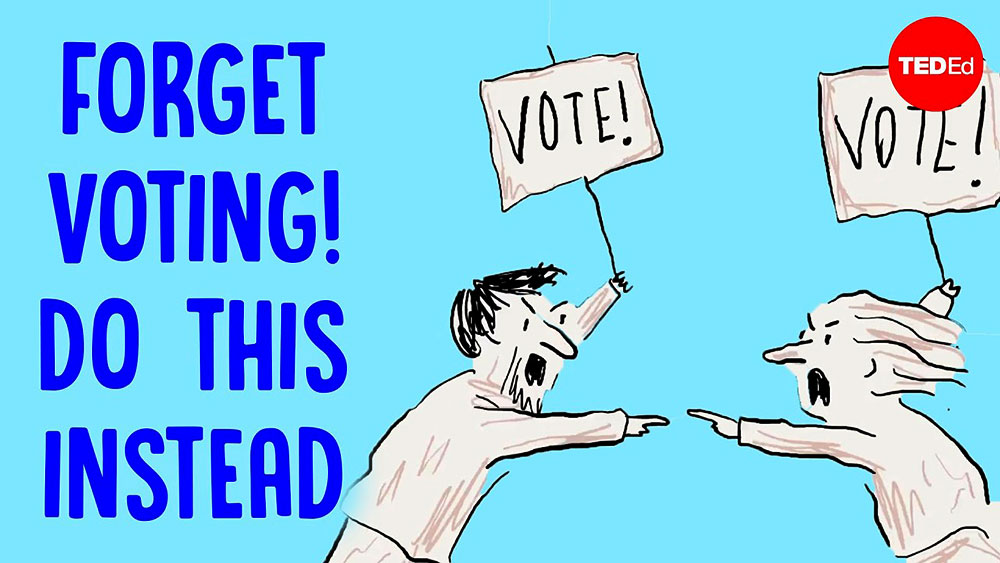
Is democracy without elections possible?
Could a lottery be better?
Which is why some of democracy's first and most famous practitioners used a different approach:
We explore how this system could address modern
democracy's biggest problems.
They largely believed it to be more fair, representative and responsive to the public interest than elections, which are often influenced by money and can foster destructive political polarization.
In this animation, Michael Vazquez, associate director of the Parr Center for Ethics at the University of North Carolina at Chapel Hill, breaks down both the potential of lottery-based systems and their limits.
In particular, he highlights an updated
lottery system conceived by the US philosopher Alex
Guerrero, designed to address flaws in earlier models and some
of the most pressing problems in contemporary electoral politics.
Video
Video by TED-Ed Director: Avi Ofer Writer: Michael Vazquez Producer: Sazia Afrin
|