|
Dubai
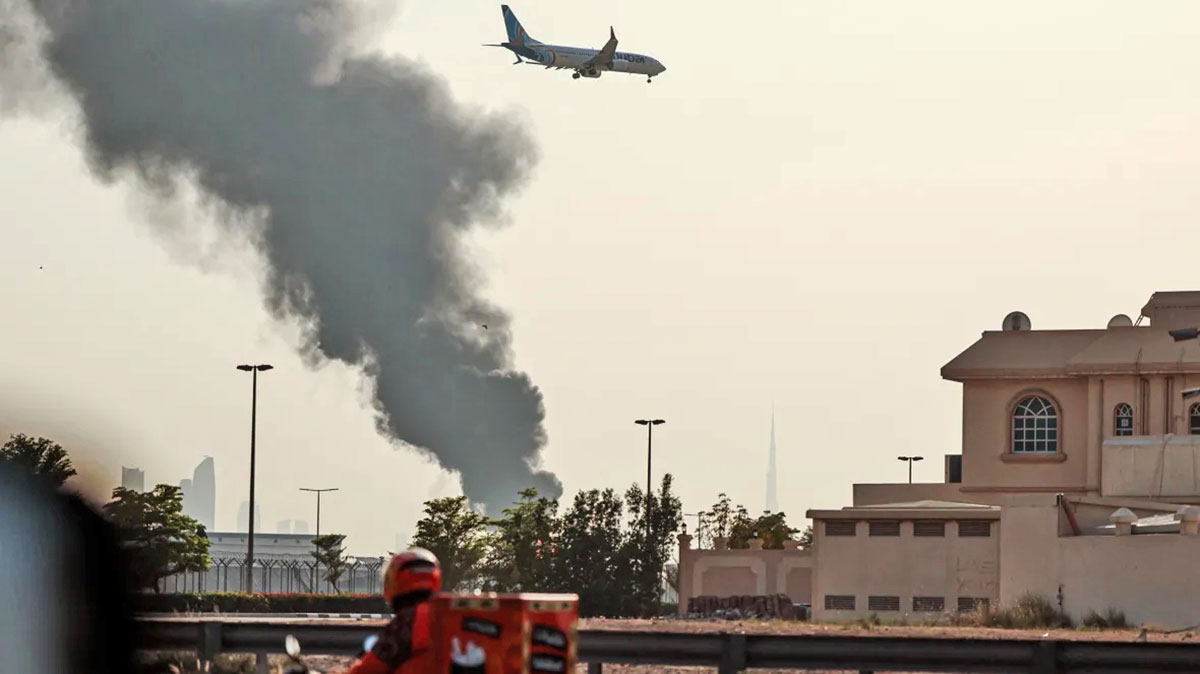
Information sent by MJGdeA as smoke rises from a drone-related fire
near Dubai
international airport in March focusing its fire across the Gulf the UAE has transformed into something of a spartan merchant state, 'more resilient' and aligned with Israel...
From time to time, Iranian officials would raise the threat with their counterparts in the UAE.
When the missiles and drones finally arrived at the end of February, the threat was put to the test.
The UAE, viewed by Tehran as a glass skyscraper much like Dubai's glittering Burj Khalifa, did not shatter.
Yet it has emerged from the war changed, and the repercussions are being felt across the region as new alliances are strengthened and old ones unravel.
after it was
hit by a drone strike in March
That model has turned the UAE into something of a spartan merchant state,
Officials and analysts say the country now has a clearer view of who its friends are, beyond the hackneyed slogans of solidarity among Arab and Muslim countries.
When Iran began focusing its fire on the UAE after the US and Israeli attack that started the war, the Emiratis received a call from Israel.
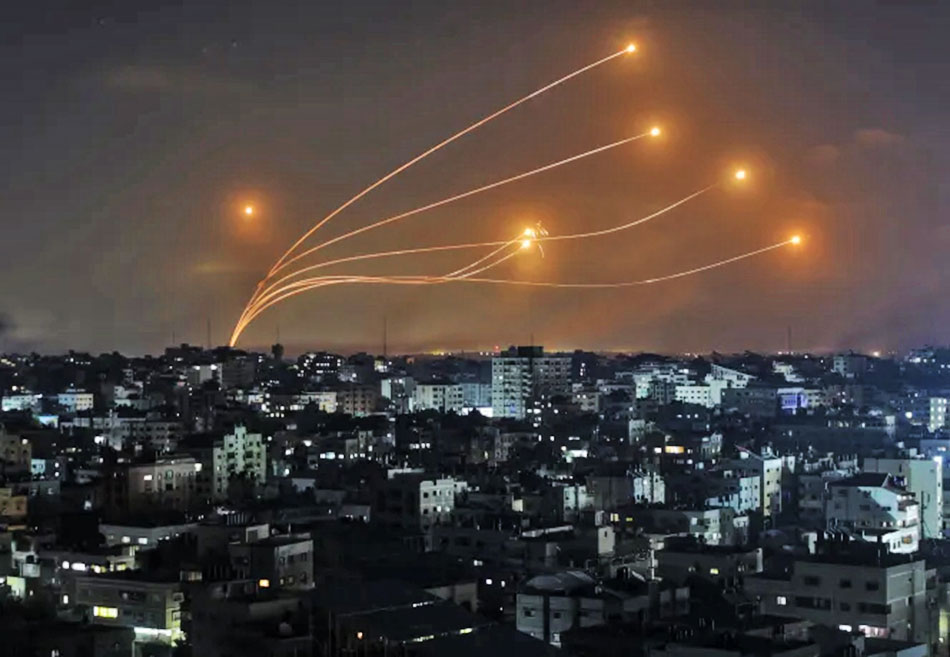
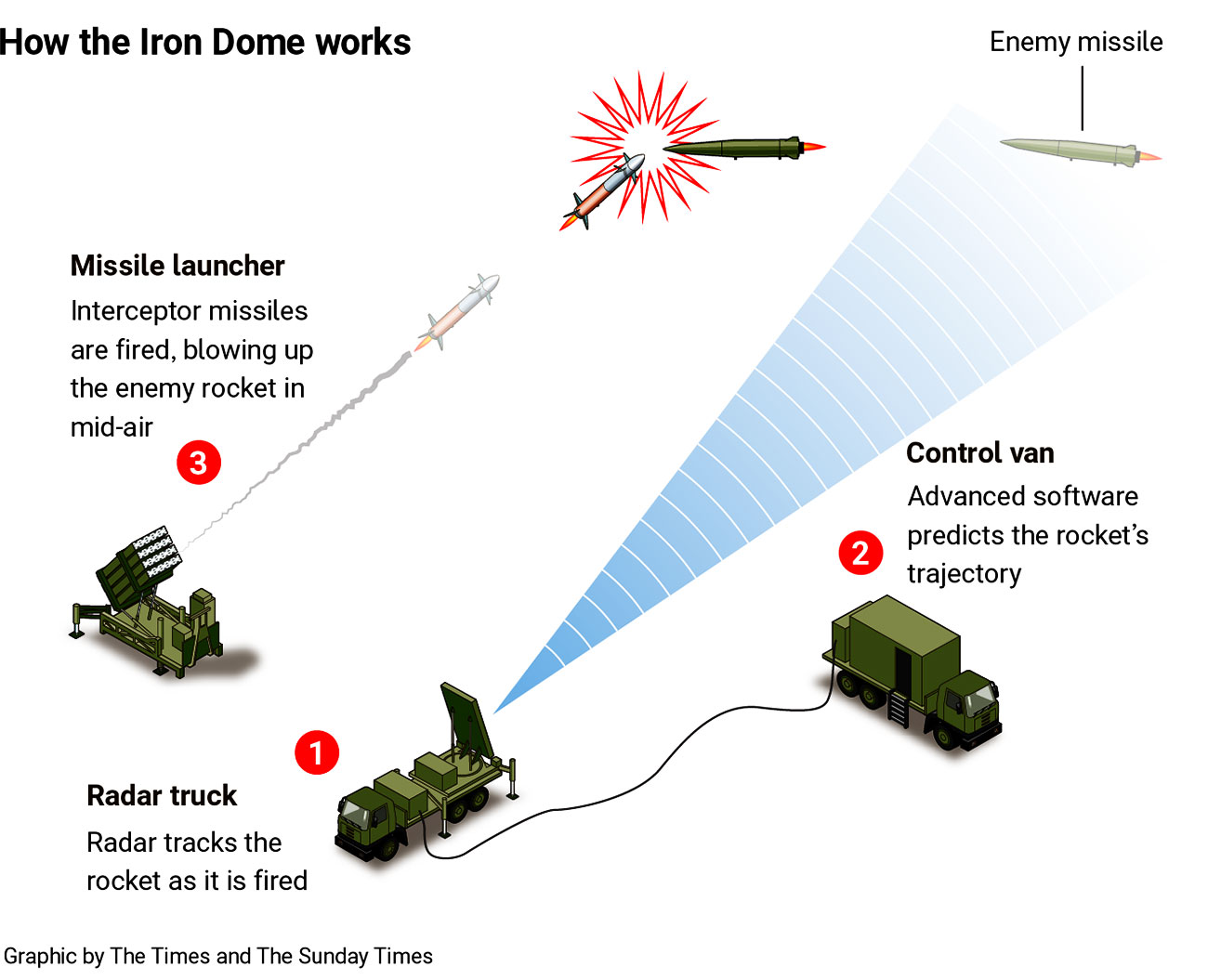
Soon the Israelis deployed an Iron Dome battery, among other aerial defence weapons, with a team of soldiers to operate them.
intercepts missiles launched
from the Gaza
Strip in 2023.
In Egypt, during the Islamic State insurrection in Sinai, Israel had done much of the heavy lifting against the extremists, even killing their leader, Abu Duaa al-Ansari, in a 2016 airstrike, while constantly leaking their involvement and angering the Egyptians.
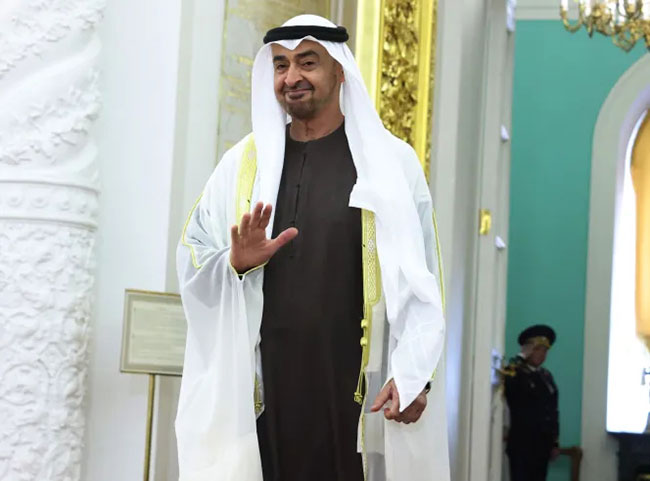
The unusual reticence from Binyamin Netanyahu, who is normally eager to flaunt his relations with Arab leaders, was set aside this week when he confirmed that he secretly met the Emirati president, Sheikh Mohamed bin Zayed al-Nahyan, known as MBZ, during the war, which his office said resulted in a "historic breakthrough".
It would not be the first time an Israeli leader let slip what was meant to be a secret meeting with an Arab official, although the UAE and Israel established diplomatic relations in 2020.
Netanyahu, however, is a toxic figure in the region due to the devastating wars in Gaza and Lebanon, and Abu Dhabi would have viewed his disclosure as an attempt to score political points at home.
With its oil refineries and infrastructure under daily attack during the war, the UAE began launching numerous strikes on military positions in Iran, using French-made Mirage jets and Chinese-made attack drones, said one source.
The UAE, meanwhile, has drifted from the regional organizations and alliances led by its rival Saudi Arabia, with one official, Anwar Gargash, questioning the usefulness of the Arab League and the Gulf Cooperation Council.
It seized the moment to withdraw from the Saudi-led Opec, sending shockwaves through the cartel that controls the world's energy prices.
Following air strikes from Iran in Dubai
Koteich added that the war vindicated the UAE's view that Iran was the main threat to the region, not Israel, making the country something of an "outlier" in the Arab world.
That project, a socially and economically liberal country with an expatriate majority kept in line by firm security services, appears to have weathered the war beyond expectation. Businesses that considered relocating their staff are now doubling down on the country.
An estate in the Dubai Hills
Privately, some admit missteps have been made, excusing them as the acts of a young country involved in its first war.
Dozens of people, including Britons, were rounded up during the war for filming missile impacts or drones in the sky, and others for spreading "misinformation" online.
Some long-time Iranian residents reported that their residency permits were cancelled, while at least dozens of Pakistani Shias have been deported, according to accounts from the deportees.
One said he was deported after attending a Shia religious gathering, in what was possibly seen by UAE authorities as an incubator for support for the Iranian theocratic Shia regime.
The Emiratis insist that those excesses pale when compared with what they view as a victory in an existential war.
|