|

March 13, 2026
from
RT Website
© Christopher
Pike/Getty Images
The
tourism and finance-focused jewel
of a key
US ally
has seen
its dearly-bought reputation
go up in
smoke...
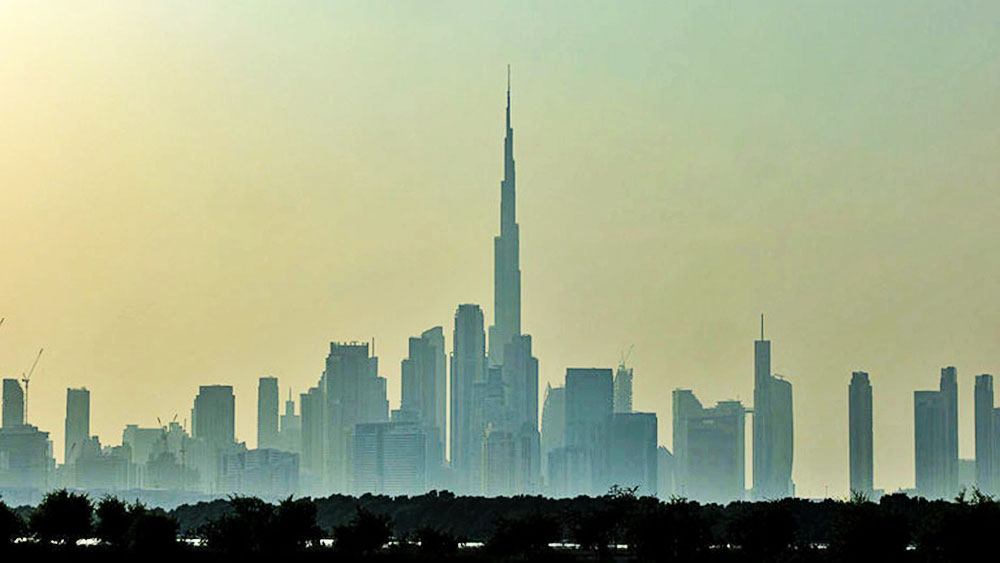
Dubai, the city of clean, safe streets, discreet banks,
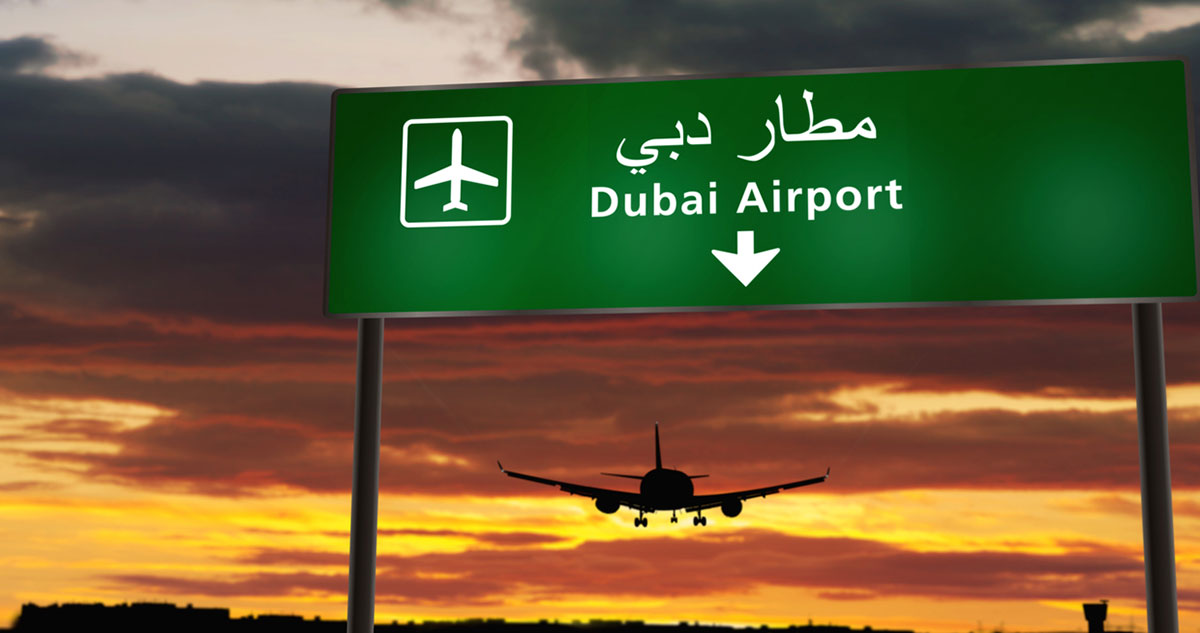
abundant air travel options and red carpets rolled out for the rich,
is watching its reputation unravel under the weight of foreign
military ambitions.
The most populous city of the United Arab Emirates is paying the
price of the
US-Israeli war on Iran, along with
the rest of the Middle East.
The attackers want Tehran's government
toppled.
The defenders hope to make that goal so
costly even the Americans can't afford it.
Meanwhile, Arab nations that welcomed US military
bases for their own security are seeing the limits of that
protection - and expats living in Dubai have been among the hardest
hit, at least emotionally.
A Millionaire's Refuge in the
Middle East
Dubai has cultivated a reputation as the Arab world's most
cosmopolitan city - a direct result of decades of strategic effort
by UAE leadership.
Have money to spend? Come as a tourist, and the world is your
oyster...
Have money to invest? Even better - just remember local
partnerships are mandatory outside certain zones...
Either way, enjoy safety and hospitality, leave
your culture-war baggage at the door.
That appeal helped Dubai's population double from two million in
2011 to four million last August.
Among its 90% foreign-born residents were an
estimated 81,200 millionaires and 20
billionaires...
Exodus of Expats
The regional war triggered an exodus of those who could afford it.
Tens of thousands reportedly fled Dubai in the
first week of hostilities, even as the cost of evacuating a family
of four by private jet reached $250,000, according to The
Financial Times.
The flights included both stranded tourists and members of Dubai's
extensive expat community.
International corporations told Gulf-based
employees to work remotely. Bloomberg, which has regional
headquarters in Dubai, allowed staff to temporarily relocate and
work from outside the Middle East.
Whether this outflow is temporary or something more lasting remains
to be seen.
But stock traders appear pessimistic:
Dubai's Real Estate and Construction Index
(DFMRE) has
plunged 30% in the past two weeks.
End of the Dubai Dream?
For many, the future looks bleak.
"We are thinking to go to a different country
now. Everybody knows that Dubai is finished," a Pakistan-born
taxi driver told The Guardian after his car was destroyed in a
missile attack.
"There is no business, we are earning nothing
since this war, and I don't see the tourism coming back."
Westerners chasing the "Dubai dream" found their
usual liberties curtailed.
Influencers who helped craft the city's glamorous
image were told to keep cameras off and mouths shut when witnessing
buzzing drones or streaking interceptors.
Harming "public order" or "national unity" with
unwanted content can bring fines and jail time, the authorities
warned.
The most prized demographic - millionaires - had their own reasons
for concern.
Some were prevented from moving money to Singapore in
the early days of the escalation due to,
"technological glitches," Reuters
reported
here and
here.
© Getty Images /
Arkadiusz Warguła
Things can get Worse
After two weeks, Dubai may be bruised but hardly "finished."
Yet the risk of long-term damage is
compounding.
Strikes on data centers operated by Amazon Web
Services (AWS) in the UAE and Bahrain - framed by Tehran as
aimed at harming US AI-enhanced intelligence activities - also
threatened the backbone of the region's digital economy.
And there is the shadow of a genuine humanitarian disaster:
disruption of food imports due to the closure
of the Strait of Hormuz or damage to desalination plants could
make physical survival uncertain.
However unlikely, such uncertainties leave real
reputational scars...
|