|
by
Evan Howell
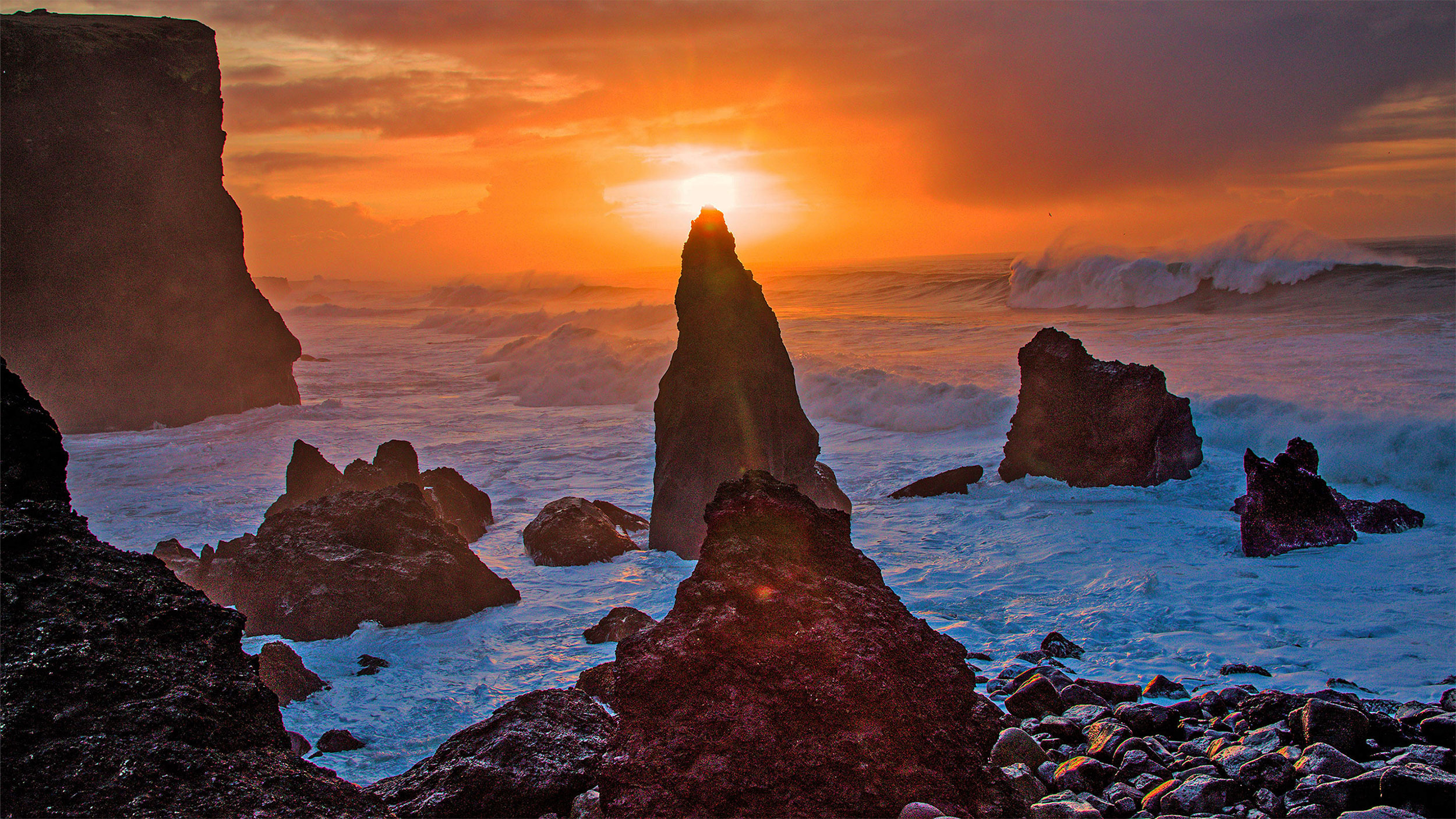
along the shore
of Iceland. hidden in mountain chains under the sea, has long been assumed to erupt only quietly. The shallow seafloor off Iceland tells another story...
The image before him just didn't make sense.
They'd been lucky so far, enjoying relatively calm seas as they motored toward their destination, an unexplored deep-water basin dotted with volcanic shapes.
The researchers carried reams of equipment:
That first evening, about 100 kilometers from port, the team paused to test their geophysical tools in shallow waters.
The seismic imagery they collected of the seafloor's layered interior would lead them to an unexpected discovery, one that would complicate what we know about the usually sluggish volcanic fissures that lace the bottom of the ocean.
Their findings could also be connected to mysterious islands from the recesses of history that witnesses said appeared suddenly, only to disappear later beneath the waves.
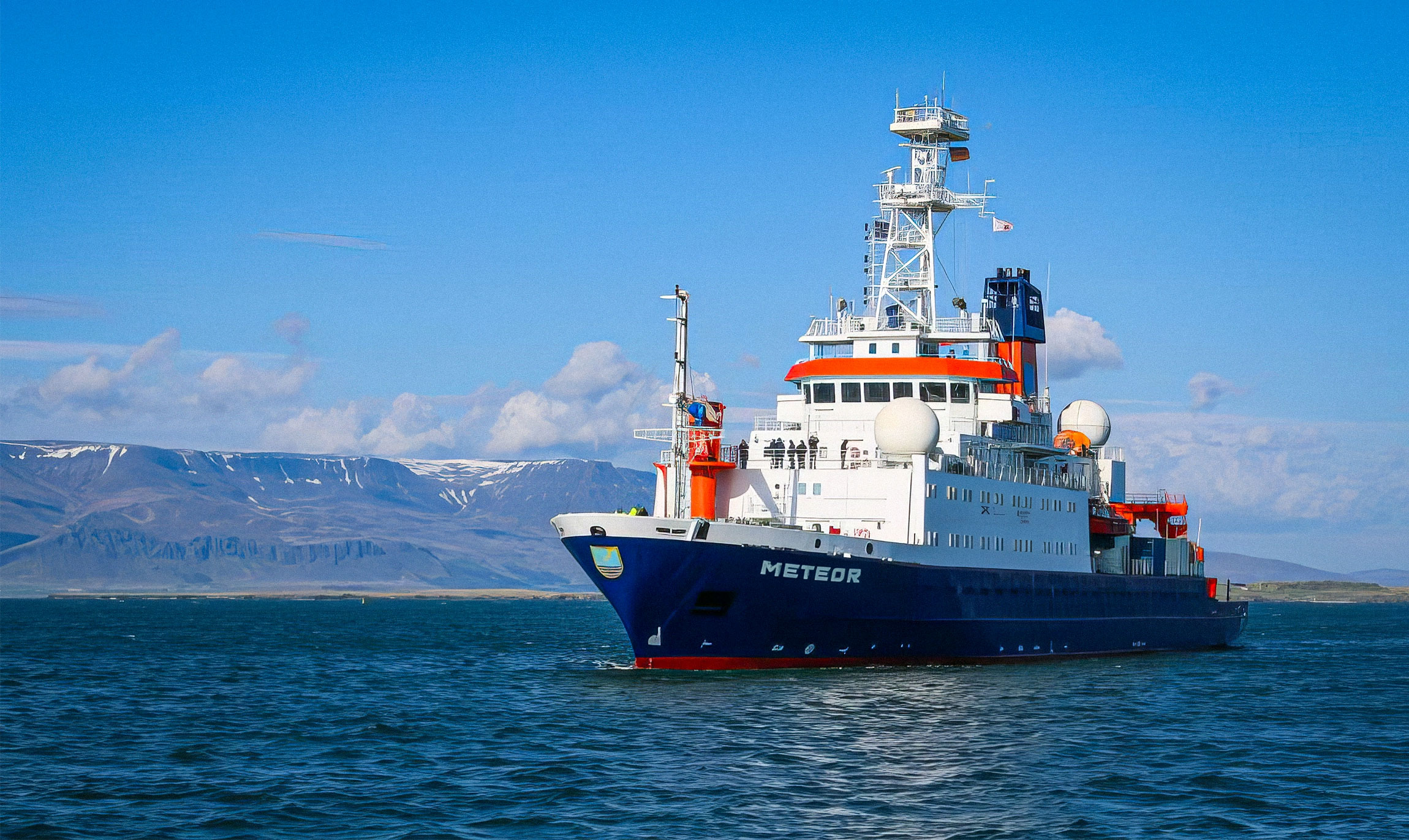
The Meteor transported the scientists on Expedition M201 to their research site
off the coast of
Iceland.
Six weeks later, on returning from the expedition, he needed little effort to convince the project's lead scientist to stop in shallow waters to investigate what they'd found.
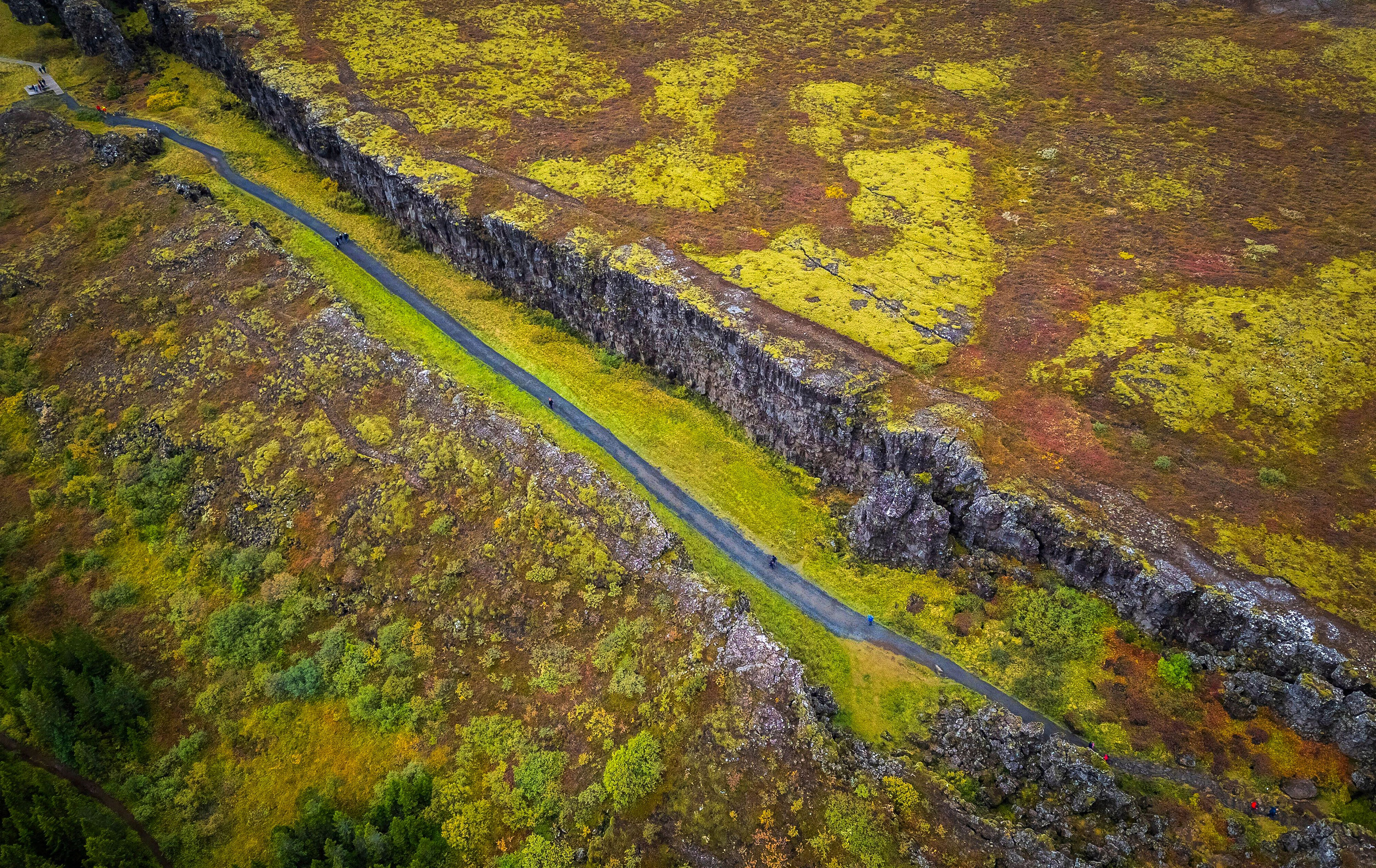
Here, on the world's largest volcanic island, you can hike through gorges dividing the North American and Eurasian tectonic plates.
Across the globe, mid-ocean ridges have a nondramatic style - nothing like Washington State's explosive Mount St. Helens or southern Italy's Mount Vesuvius, the destroyer of Pompeii and Herculaneum.
So the team aboard the Meteor wasn't expecting anything unusual when they passed over a submerged segment of the Mid-Atlantic Ridge called the Reykjanes Ridge.
They just wanted to confirm that their equipment
was in working order.
In Iceland's Thingvellir National Park, hikers can travel along a path between
the North
American and Eurasian tectonic plates.
But that's not what Preine saw...
Along the ridge were smooth mounds with steep sides and flat tops, their flanks draped in scattered deposits that looked like debris from an eruption above the sea surface.
The formations reminded him of the topic of his doctoral dissertation, a submerged system of notoriously explosive volcanoes near Santorini, Greece.
For generations, scientists could do little more
to study the depths than dredge the seafloor, dragging buckets for
whatever they could find. Only in recent decades have geophysical
technology and deep-sea cameras provided glimpses of these
mysterious worlds.
Here's what we do know:
When the expedition returned, more profiles and imaging made it clear that the team had stumbled on the boundary where that restraint lifts:
That transition could explain an incident from
Iceland's recent history.
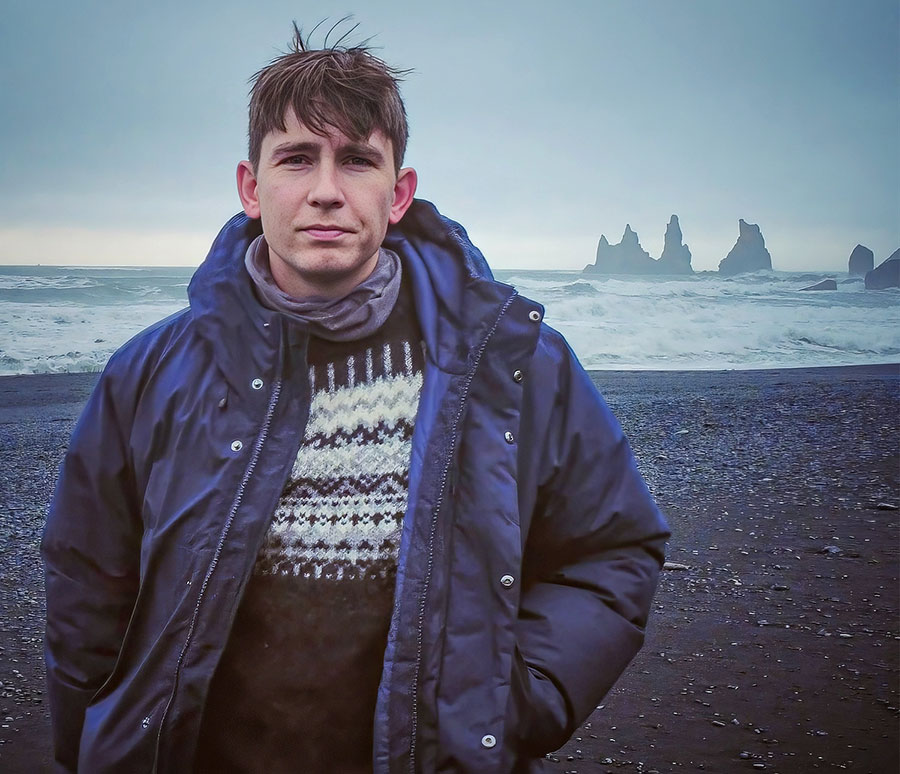
Jonas Preine, now a marine geophysicist at the National Oceanography Center in England,
is studying the
Mid-Atlantic Ridge.
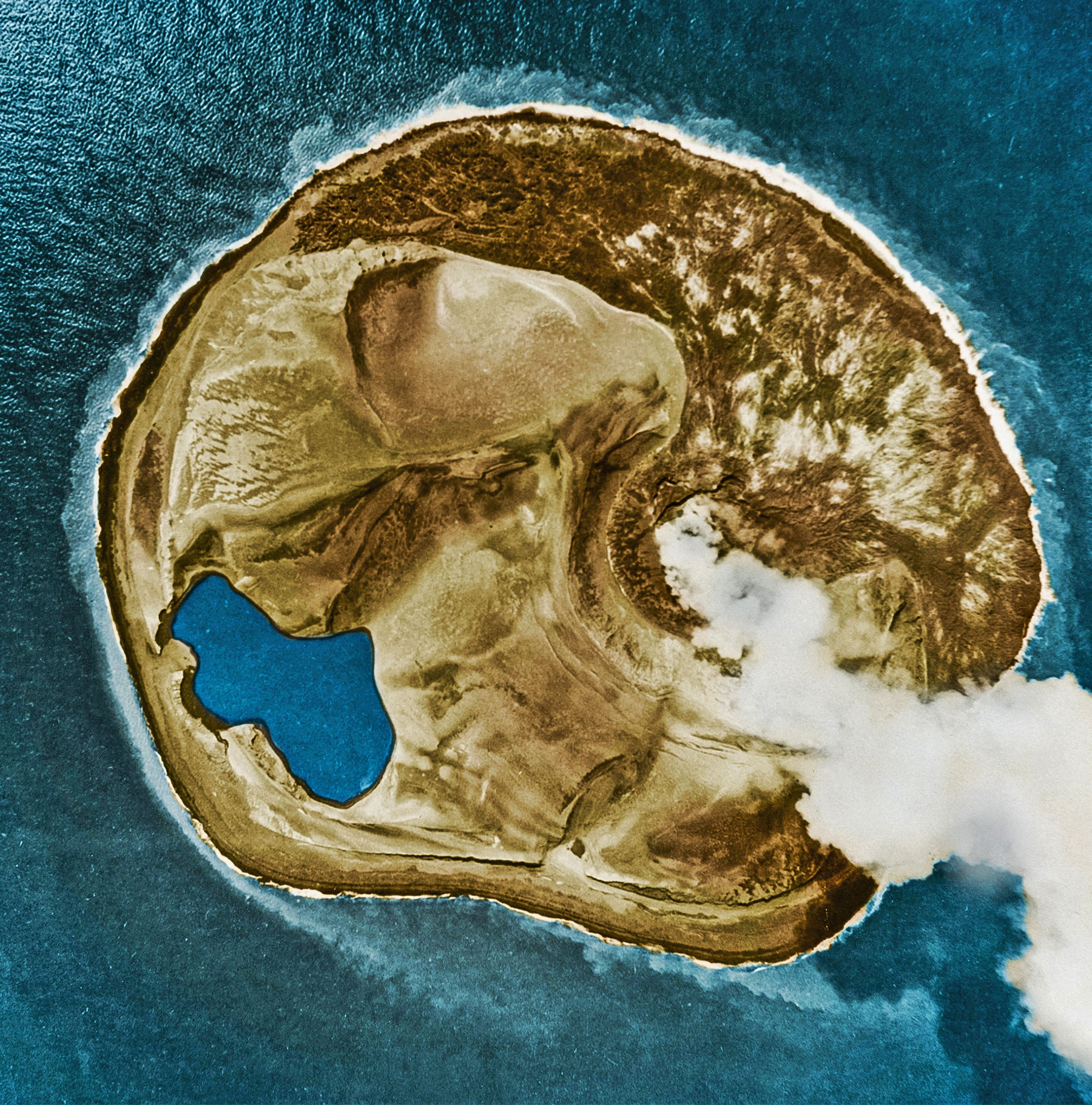
Over the course of three years, a volcanic island
spewed and sputtered as it rose 171 meters above the sea. The
government of Iceland named the island
Surtsey, after the Icelandic
mythic fire god Surtur.
While some of these phantom islands emerged from more volatile volcanic zones, others, including Surtsey, appeared mysteriously along the gently oozing mid-ocean ridge.
In total,
Preine and his colleagues felt they had a unifying explanation for Surtsey and the strange subsea volcanoes they'd observed.
They could pinpoint a specific depth at which the pressure eased just enough to allow seawater in contact with lava to flash to steam, powering an explosive eruption that could breach the sea's surface.
off the southern coast of Iceland,
emerged from
the sea in the 1960s.
Water dampens how far debris gets thrown, as anyone who has ever tried throwing an object underwater can confirm. So the material from underwater eruptions settles close to its source.
Once a volcano breaches the sea surface, though,
it can scatter ash and rock debris much farther. This can go on for
days, months, or even years. Then, once the magma chamber is
exhausted, the sea takes over again.
Preine said the region's underwater flat-topped volcanoes are worn down to a uniform depth of around 40 meters below sea level - no coincidence, he argued, since North Atlantic storm-wave erosion only reaches down that far.
...said
Ross Parnell-Turner, a
geophysicist at Scripps Institution of Oceanography at the
University of California, San Diego, who was not involved in the
work of Expedition M201.
But there was another factor to consider...
His father, a volcano-curious engineer, drove him to the airport, where he had convinced an airline pilot to take an impromptu flight over the new volcano.
From the plane, father and son watched the plume of dark smoke emerge from the endless northern seas. Einarsson went on to study volcanoes, among other things, and is now an emeritus geophysicist at the University of Iceland.
When asked about Expedition M201's findings, he said he was impressed by the team's efforts but not fully convinced of their theory about how the flat-topped volcanoes formed.
That's because, for different reasons, similar
volcanoes appear both in the deep ocean and on land.
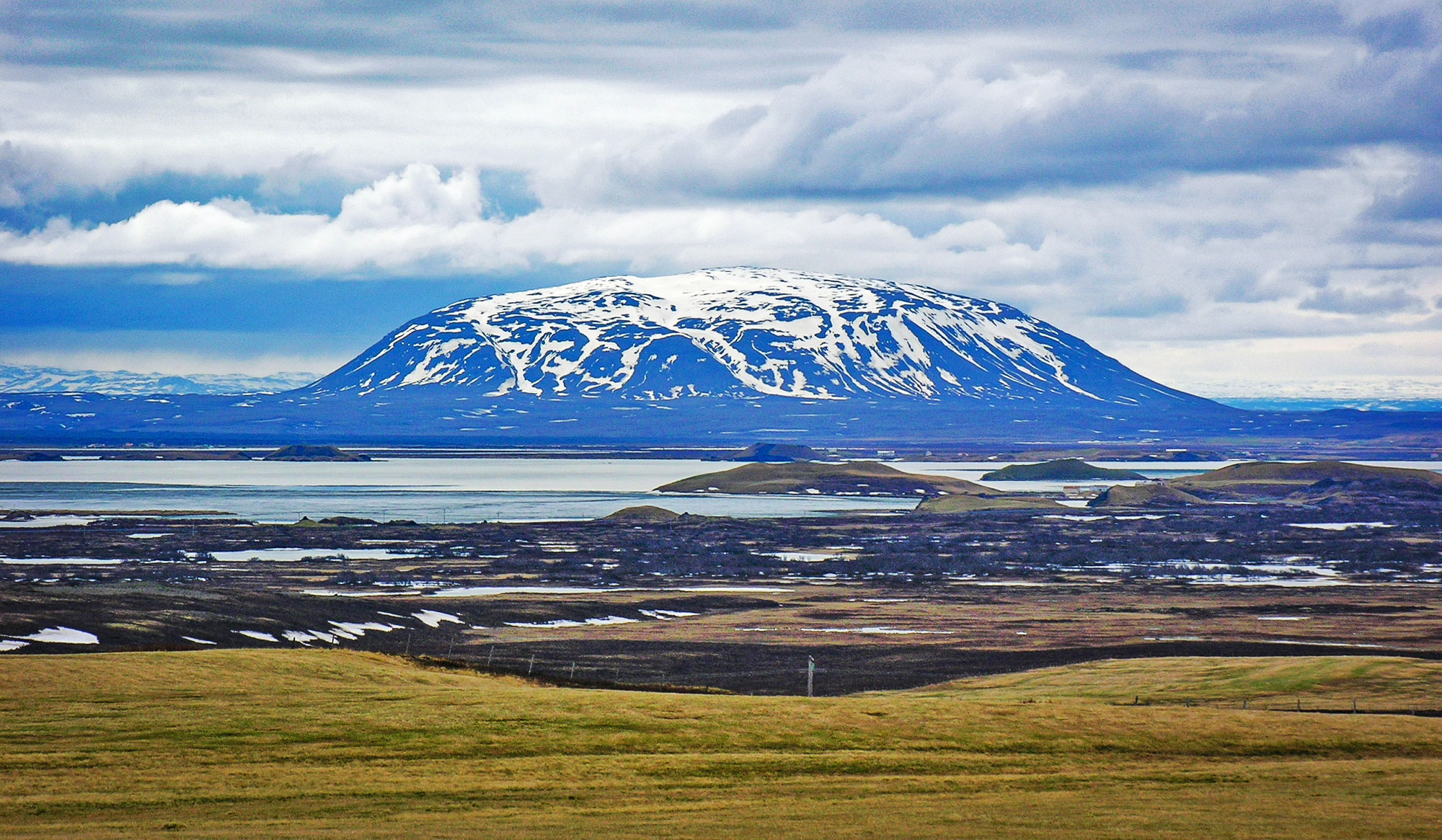
Some scientists think the tuyas formed when rising magma collided with a thick ceiling of ice and melted it, triggering explosions.
But like a paving stone above a cluster of
mushrooms, the glaciers acted like a lid, preventing the volcanoes
from growing too tall.
Tuyas are steep-sided mountains with flat tops found in just a few places in the world, including Iceland.
They are sometimes
called "table mountains."
That glacial advance appears to have reached roughly the area that now lies beneath about 300 meters of water, where Expedition M201 identified the flat-topped volcanoes.
The research team initially wondered whether the
submerged mounds could be drowned versions of tuyas.
Most outside experts interviewed for this story
say they're convinced that these observations rule out the theory,
but Einarsson would like to see more evidence.
With explosive submarine eruptions,
But Preine and company have only limited
material from seafloor dredging in the area and not enough direct
visuals to substantiate their theory.
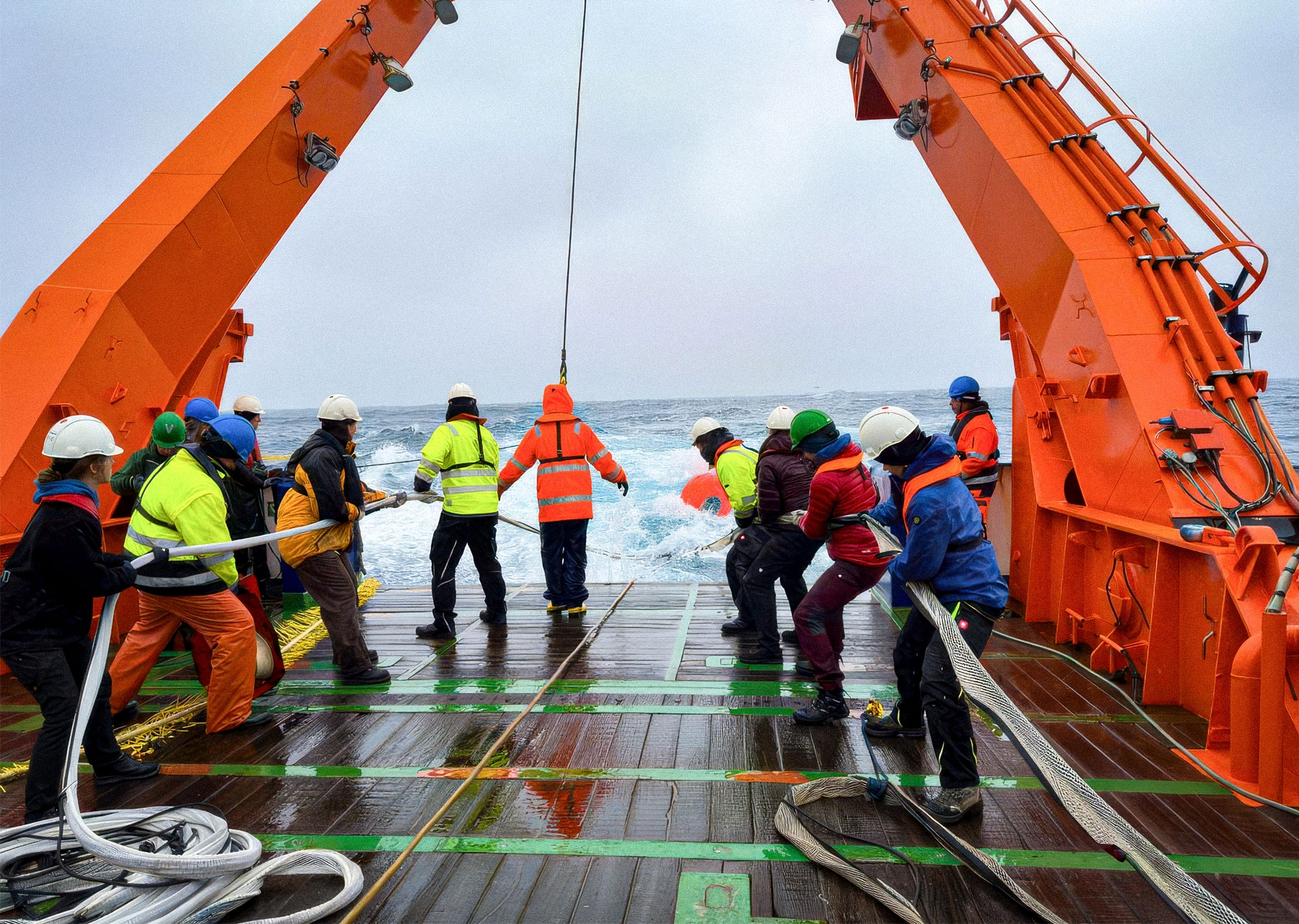
deploys seismic equipment
off the deck of
the Meteor research vessel.
Preine said sampling rocks to determine the ages of the volcanoes would be "extremely interesting" in testing what remains a working hypothesis:
Whatever researchers discover about the Mid-Atlantic Ridge, the pattern may extend far beyond Iceland.
In those places, the slow conveyor belt of the
deep may occasionally give way to something more volatile, building
islands that briefly rise above the surface before waves grind them
back again.
Since around 2020, a giant magma chamber has swelled under the Reykjanes Peninsula, the onshore limb of the Reykjanes Ridge, triggering earthquakes and sending lava oozing into the streets.
In 2023, the fishing town of Grindavík's about
3,700 residents evacuated, many perhaps for good.
Offshore, most of that activity remains hidden.
But the same forces are at work, Preine said, and "the chances are not low" for another Surtsey to rise again.
|